
You’ve had a crazy day and your regular routine had to be thrown out of the window. Your baby skipped their nap and their wake window is getting way too long – now your little one just isn’t settling down. Once your baby is overtired, it can be very tough to get them to sleep. This is because they’re experiencing a stress response. “When your baby becomes overtired, their stress response system goes into high gear, triggering cortisol and adrenaline to flood into their little bodies. Cortisol helps to regulate the body’s sleep-wake cycle; adrenaline is the fight-or-flight agent,” explains Healthline.
The influx of these hormones makes it even harder for your baby to settle down.
There are a few things you can do to help soothe and reset your little one and get them back on track with their sleep schedule.
5 Signs Of An Overtired Baby
So, how do you know that what’s bothering your baby is just being overtired?
Some common overtired baby cues include:
- Irritability
General fussiness – such as crying, whining, and overall irritability – is a big sign that your little one is overtired.
- Refusing To Eat
An overtired baby may have a lack of appetite and push the breast or bottle away.
- False Starts
An overtired baby has trouble falling asleep and staying asleep. They drop off, you put them in their crib, and then 30 minutes later they’re crying again.
- Hyperactivity
It’s around about the time when your baby should be nodding off, but suddenly they have a burst of energy.
- A Tense Body
An overtired baby struggles to calm down and relax, so their body is often tense and they may arch their backs and push you away.

Settling An Overtired Baby
Your little one’s wake window has come and gone and you’re desperately trying to distract your rigid, fussy baby.
Here’s what to do when baby is overtired and in need of a reset:
Allow Them To Catnap
We know, mama, you may think that you need to stick to a specific sleep schedule for your baby. While a wake window and nap routine is needed, when you’ve got an overtired baby, the schedule needs to be shifted. Even a small catnap to reset can help – the amount of time doesn’t really matter.
Contact Nap
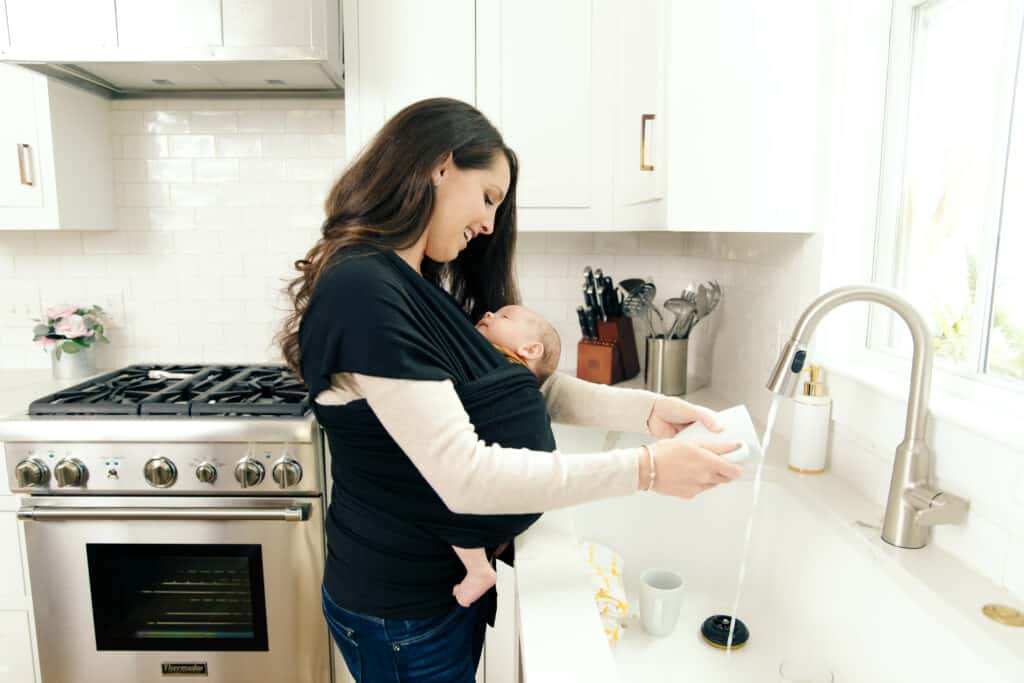
Don’t put them in their bassinet or crib for this catnap. Instead, try a contact nap. Overtired babies are usually clingy, so letting your little one sleep in your arms or putting them in a baby wrap carrier can help soothe them.
The 5s’s
These are a set of techniques developed by Dr. Harvey Karp to help lull an overtired baby to sleep.
- Swaddle your baby to help them feel secure.
- Hold your baby on their side or stomach to make them feel comforted.
- Make gentle shushing sounds (this mimics the sounds they heard in the womb).
- Gently rock your baby to help them relax.
- Let your baby suck on a pacifier.
Shift Bedtime
Since your baby most likely missed a whole (or most) of their nap, move bedtime up by about 30 minutes for that night.

How To Avoid Your Baby Becoming Overtired
Yes, every now and then your baby will become overtired – sometimes days are more stimulating and this will affect your baby. You can reduce the chance of your baby getting overtired by being aware of a few cues and being intentional with your little one’s schedule :
Know How Much Sleep And Wake Windows Your Baby Needs
This is based on your baby’s age. As they grow, their wake windows, naps, nighttime sleep, and feeding routine needs to shift along with them. For example, a one-month-old needs about 14 to 17 hours of sleep a day while a three-month-old needs up to 10 hours of sleep at night and a few naps of around 90 minutes during the day. We break this down in our sleep courses for newborn babies to little ones seven months and older.
Watch Out For Your Baby’s Sleep Cues
While babies can’t specifically tell you they’re getting tired, they have little cues you can pick up on. “They include eye rubbing, crankiness, ear or hair pulling, yawning and so on, and respond promptly by getting baby in for a nap or for bedtime at the first sign that she’s tired,” says What To Expect. Aim to put your baby down for a nap as soon as you start seeing tired cues when they’re drowsy but not yet asleep. This allows them to drop off to sleep themselves and can help avoid false starts.
Follow A Bedtime Routine
A consistent bedtime routine soothes and relaxes your baby, getting them ready for sleep. Your little one will associate certain activities with bedtime. Some things to include in their bedtime routine are a bath (not the last thing before bed as this can be too stimulating), lotion massage, last feed, and cuddling.
Soothing an overtired baby can be a challenge. While sticking to a nap and wake window schedule, and following a consistent bedtime routine is preferable, life happens! Sometimes your baby will get overtired because of particularly exciting days. Try the above techniques – a catnap or contact nap, the 5s’s, and shifting bedtime up – when this happens. Remember, every baby is different so some techniques may work better than others. Motherhood is a constant learning journey!