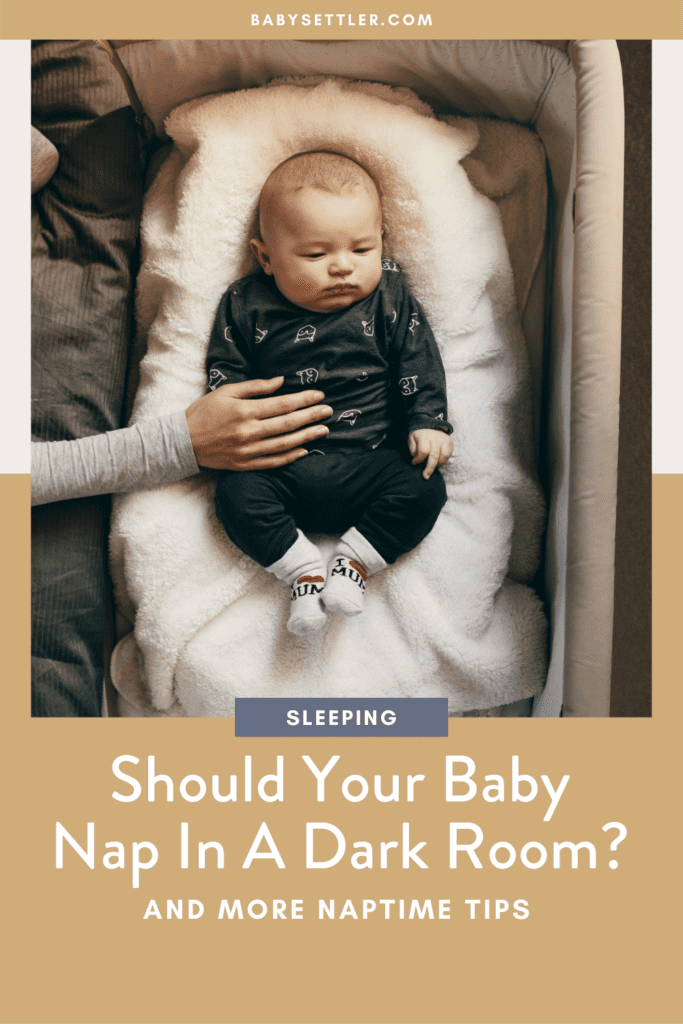
Naps are essential for the wellbeing of your baby. Newborns need to sleep a lot during the day! Until about three months old, young babies sleep for 14 to 17 hours over a 24-hour period, waking for short windows to eat and, of course, some activity. From around four months of age, many babies begin sleeping for six to seven hour stretches at night. However, babies still need their naps. And, for optimal nap time, you need the correct environment.
How Often Should Babies Nap?
As your baby gets older, their nighttime sleep increases, leading to longer wake windows during the day and less naps.
Parents can drop naps based on baby’s developmental age (this age is based on their due date, not the day they were actually born).
Here are a few nap suggestions:
- Newborns two to 12 weeks old – five naps a day
- Babies four to six months old – four to three naps a day
- Babies seven months to one year – two naps to one nap a day
How Do Naps Support Longer Nighttime Sleep?
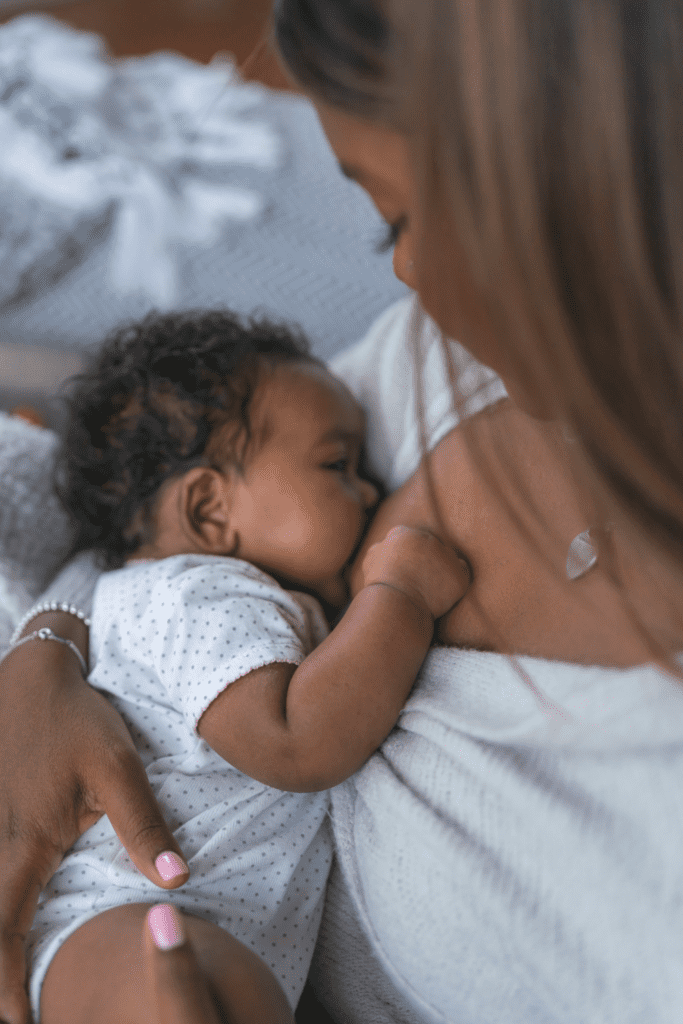
When babies get good daytime rest, that typically leads to more efficient feeds. Better daytime feeds lead to less nighttime wakings. It all works together.
When a baby doesn’t get enough naps, they can get overtired, overstimulated, and fussy. This can follow them into the nighttime, where they will have trouble falling asleep.
If your baby is struggling to go down for a nap or can’t sleep for longer than 30 minutes, there could be a number of causes. Teething, sleep regression, not eating enough, or a poor sleeping environment.
What’s An Optimal Nap Environment?
Where would you get the best sleep: At an amusement park with tons of noise, lights, and excitement; or in your comfy bed wearing your favorite PJs with a fan going in the background? Most of you would choose the latter.
It’s the same with your little one. Stimulation like lights and noises can make it difficult for them to get to sleep, stay asleep, and have a quality nap.
When putting your little one down for their naps, try to make the room as dark and unstimulating as possible. Here’s where thick blinds and blackout curtains really come in handy.
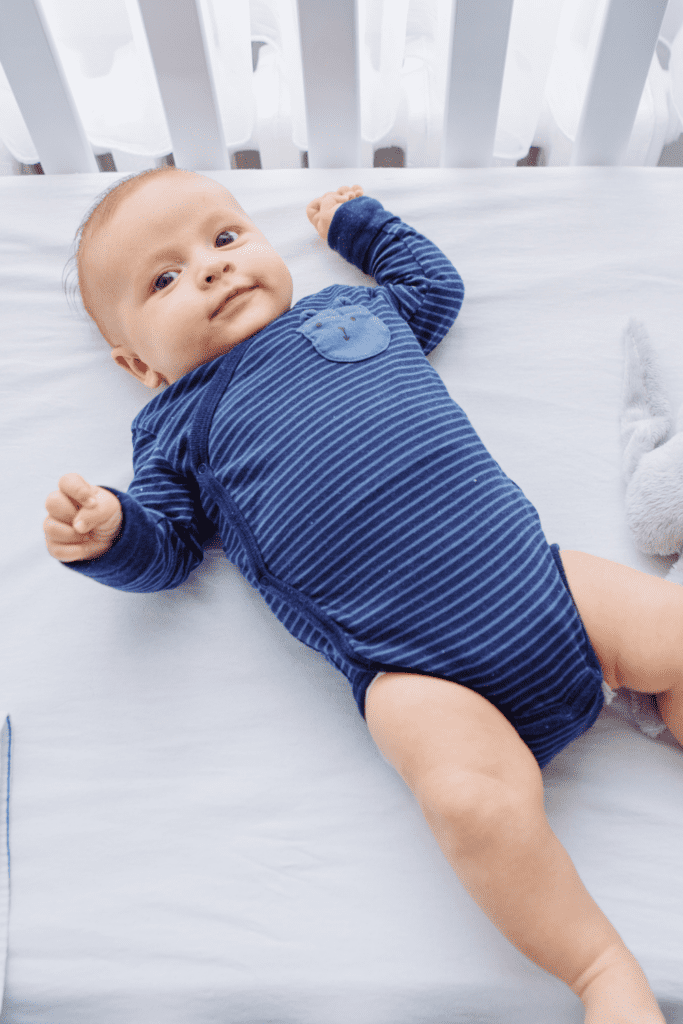
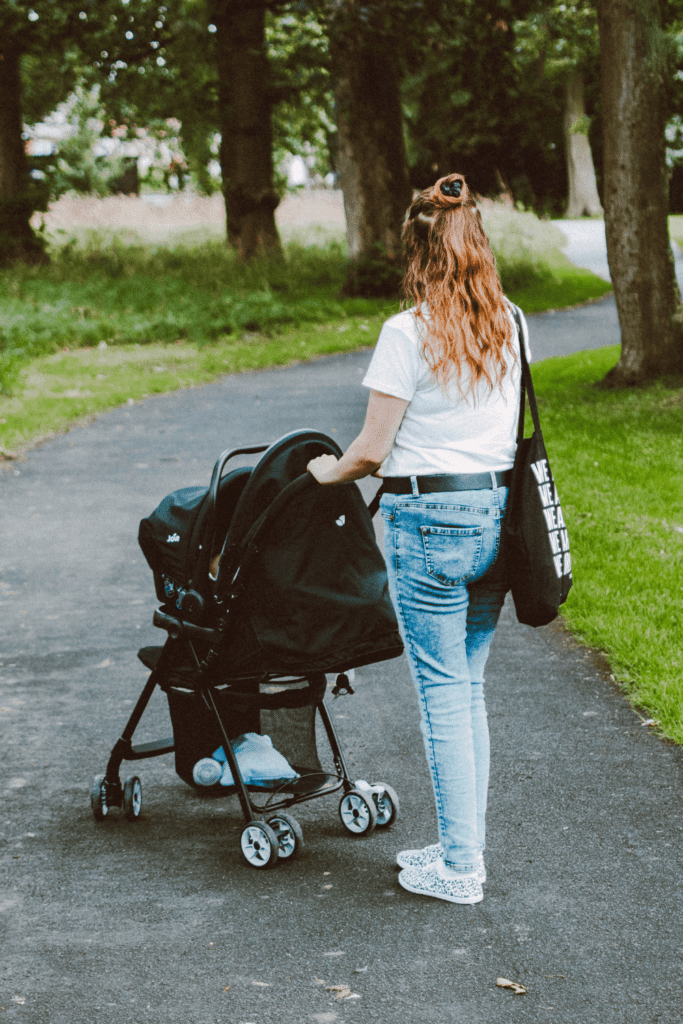
Also, as much as possible, try and have your baby sleep in the same spot: Their crib. What To Expect elaborates, “Your baby will sleep better during naptime if he has a comfy, consistent place to rest. While he’ll surely take a snooze in the stroller from time to time during your morning walk, it’s ideal if your baby falls asleep in his own bassinet or crib.”
How To Get Your Baby To Nap
- Routine
So many babies thrive on a routine. It helps them know what to expect and to feel calm. Try to stick to a regular nap, feeding, and activity schedule with your baby. Obviously, life happens so you don’t have to be overly strict about it! Find what works for you and your little one.
- Activity
Keep your baby busy and engaged during their wake windows. This is important for optimal naps as well as your little one’s development. “Tummy time is essential for a child’s gross motor development. Infants who spend time on their tummy strengthen their core trunk and abdominal muscles,” explains Dr. Fadiyla Dopwell, a developmental-behavioral pediatrician, to Very Well family.

- Allow Them To Self Sooth
If your baby wakes up early from their nap, don’t rush to pick them up straight away. Give them a little time – they might fall back to sleep by themselves. Click here for my free guide on helping your baby sleep longer than 30 minutes.
Can A Baby Have Too Much Sleep?
This depends greatly on your baby’s age. Newborns need to eat frequently – their tiny tummies can’t hold that much milk at once. So, to ensure your little one is getting enough nutrients and to establish your breastmilk supply in the early weeks, you can wake up your baby if their nap is going over feeding time.
If your older baby is snoozing the afternoon away, it could be due to a busier than usual day. However, it could also be a sign of illness, so keep an eye on any other symptoms developing.
Sleep plays a huge role in your baby’s development. There’s so much that goes into supporting quality sleep for your little one, that trying to Google all your questions can be overwhelming! My e-book, Baby Settler: It’s Not Just About Sleep: Helping parents understand how feeding affects sleep and how sleep affects feeding will help you gain confidence in your ability to know exactly what your baby needs. Get it here.